
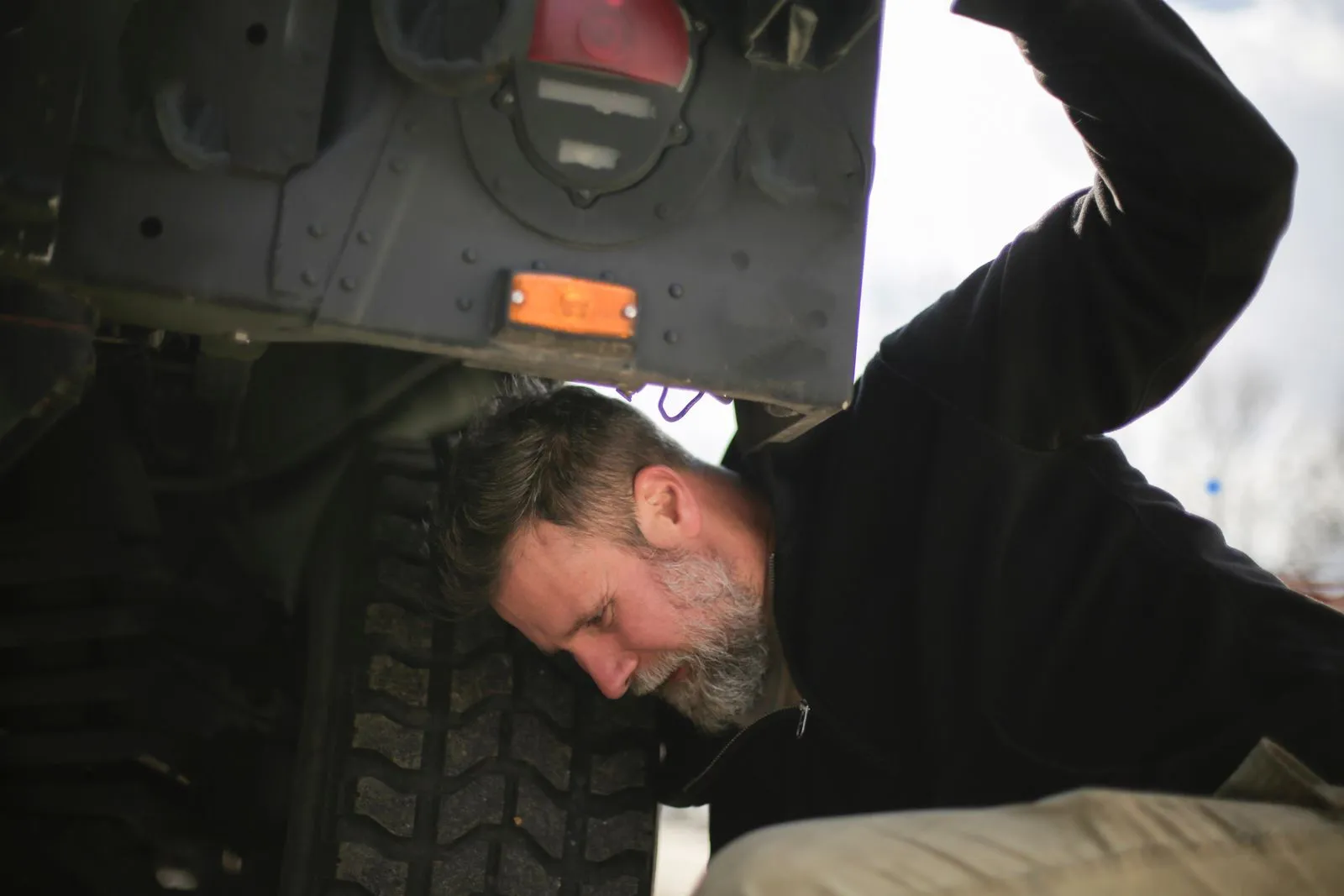
A tire problem rarely improves by being ignored. For a working fleet, early signs such as uneven tread, a damaged sidewall, or repeated pressure loss can point to issues that affect safety, handling, and vehicle availability. A quick, consistent inspection helps drivers and fleet managers catch changes before a tire becomes unfit for service. Here’s what to look for, what those clues may mean, and when to take a vehicle out of rotation for professional attention.
Read the Tread Pattern
Check tread across the full width of each tire, not just the outer edge. Wear concentrated on one shoulder can indicate an alignment problem; wear on both shoulders may be consistent with underinflation. A more worn center can suggest overinflation. These patterns are clues, not a diagnosis, so compare tires on the same axle and note changes over time.
Look for scalloped dips, cupping, or isolated bald spots as well as general tread depth. Irregular patches can point to suspension, balance, or alignment concerns, while a smooth, rapid loss of tread may reflect operating conditions or maintenance needs. Use a tread-depth gauge at several points and follow the tire maker’s and applicable regulations’ minimum requirements. Record readings so gradual changes do not go unnoticed.
Inspect Sidewalls Carefully
Walk around the tire and check both visible sidewalls for cuts, cracks, bulges, exposed cords, or objects embedded in the rubber. A bulge can indicate internal damage, and exposed cords or a deep cut need prompt assessment. Do not treat a damaged tire as safe simply because it still holds air; internal structure can be compromised without an obvious loss of pressure.
Also look for scuffing, abrasions, and signs that the tire has contacted a curb or other object. Note the location and size of any damage, then follow your fleet’s inspection and repair procedures. If you see a bulge, exposed cords, or serious damage, keep the vehicle out of service until a qualified tire professional evaluates it. Avoid attempting a roadside repair unless the person and equipment are qualified for the job.
Track Pressure Changes
Check inflation with a reliable gauge when tires are cold, following the vehicle or tire manufacturer’s specified pressure for the load and application. Visual checks alone cannot confirm proper inflation. Record readings by vehicle and tire position; a tire that repeatedly loses pressure deserves attention even if it looks normal during a quick walk-around.
Pressure can change with temperature, but a recurring drop may point to a puncture, leaking valve, damaged wheel, or other problem. If a tire is noticeably low, do not simply inflate it and send the vehicle out without checking for a cause. Follow fleet policy, assess whether the vehicle can be moved safely, and arrange an inspection. A tire pressure monitoring system can help flag changes, but it does not replace regular physical checks.
Make Checks Part of the Route
Build a brief tire check into pre-trip and post-trip routines. Ask drivers to inspect tread, sidewalls, and visible pressure warnings, and to report changes with the vehicle number, tire position, and a clear description. Photos can help maintenance staff understand what the driver saw. Consistent notes make it easier to spot repeat issues on a particular vehicle or axle.
Set clear escalation rules so drivers know when to stop, report, or request service. Remove a vehicle from operation when a tire shows serious damage, cannot maintain pressure, or raises a safety concern; follow your company procedures and applicable requirements. Fleet Tread in Naperville can help commercial operators assess tire concerns and plan next steps. A timely inspection can help keep a small warning from becoming a larger interruption.
Uneven tread, sidewall damage, and repeated pressure loss are useful early warnings—not issues to put off until the next service interval. Make tire checks routine, document what you find, and act promptly on serious damage or unexplained pressure changes. If a tire needs a closer look, contact Fleet Tread to discuss an inspection.